The neutral wire is the conductor that carries electrical current back to the power source after it has passed through an electrical load, such as a light bulb, fan, or appliance. It completes the electrical circuit, allowing current to flow continuously.
In most AC electrical systems, the neutral wire is connected to the earth (ground) at the main distribution panel or transformer. This connection establishes a stable reference point close to 0 volts, although the neutral wire can still carry current during normal operation.
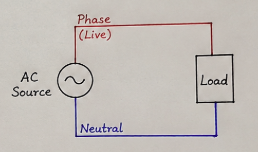
The neutral conductor performs several essential functions in an electrical system.
1. Completes the Electrical Circuit
Electricity flows in a complete loop. The phase wire delivers electrical energy to the load, while the neutral wire returns the current to the source.
Without a neutral conductor, the circuit remains incomplete, and electrical devices cannot operate.
2. Provides a Return Path for Current
Every electrical appliance requires a path for current to return to the power source after performing useful work.
The neutral wire safely carries this return current, ensuring stable and continuous operation of electrical equipment.
3. Maintains Stable Voltage
The neutral conductor helps maintain the correct supply voltage across electrical loads.
In three-phase systems, the neutral wire balances unequal loads connected across the phases, preventing excessive voltage fluctuations that could damage sensitive equipment.
4. Supports Safe Operation
Although the earth wire provides protection during electrical faults, the neutral conductor ensures that electrical current follows its intended return path during normal operation.
A properly connected neutral reduces the likelihood of abnormal voltage conditions and improves overall system reliability.
5. Enables Proper Function of Household Appliances
Most residential electrical appliances are designed to operate using both the phase and neutral conductors.
Devices such as:
- LED lights
- Ceiling fans
- Refrigerators
- Washing machines
- Televisions
- Air conditioners
- Microwave ovens
- Computers
all depend on the neutral wire to complete their electrical circuits.
What Happens If the Neutral Wire Is Broken?
A damaged or disconnected neutral can create serious electrical problems, including:
- Lights flickering or becoming unusually bright.
- Appliances malfunctioning or failing to operate.
- Unstable voltage levels.
- Damage to sensitive electronic equipment.
- Increased risk of overheating and electrical faults.
In three-phase systems, an open neutral can cause severe voltage imbalance, potentially damaging multiple connected devices.
Safety Tips
To ensure the safe operation of electrical systems:
- Never disconnect the neutral wire while the circuit is energized.
- Do not interchange neutral and earth conductors.
- Ensure all electrical connections are secure and properly insulated.
- Use correctly rated circuit breakers and protective devices.
- Have wiring installed and inspected by qualified electricians.
Leave a Reply